 blog
Why Multi-Day Asian Weddings Need Their Own Film Crew
Last Updated: November 4, 2026
Quick Summary
Multi-day wedding videography delivers five key benefits: it preserves the distinct emotions of each event, captures cultural rituals with real understanding, records clean vows and speeches, produces one cohesive cinematic highlights reel, and adds drone footage that tells the whole story. The same crew across every event keeps the final film feeling like one wedding.
- A single-day edit flattens your wedding into one mood; multi-day coverage keeps every mood intact.
- A videographer who understands an Anand Karaj knows which ceremony moments to anticipate.
- The ten-minute highlights cut is the film couples actually rewatch, not hours of raw footage.
- Drone footage is planned per venue, with flight restrictions and conditions checked in advance.
- Ask whether the drone pilot is insured and whether the fee covers multiple days.
Table of Contents
- Why One Day of Filming Misses Most of an Asian Wedding
- Benefit 1: Reliving Emotions and Memories Across Every Event
- Benefit 2: Capturing Cultural Nuances and Ceremony Rituals in Full
- Benefit 3: Preserving Vows, Audio and the Sound of Celebration
- Benefit 4: A Cohesive Cinematic Indian Wedding Film Highlights Reel
- Benefit 5: Asian Wedding Videography Drone Footage That Tells the Whole Story
- How to Choose an Asian Wedding Videographer for a Multi-Day Schedule
- Enquire About Multi-Day Coverage for Your Wedding
- Frequently Asked Questions
Why One Day of Filming Misses Most of an Asian Wedding
A single day of multi-day wedding videography captures only a fraction of an Asian wedding. Most celebrations here run across three or more events, each with its own rituals, outfits, guests and moods. One camera crew booked for one day simply cannot be in all those places at once.
Multi-day weddings follow a consistent pattern. The mehndi is loud and joyful. The ceremony is quiet and sacred. The reception is a full-scale party. These are three different films, not one.
So the case for multi-day wedding videography rests on a simple truth: your wedding is not one event. For packages, hours and costs, see our three day Asian wedding videography coverage guide. It is a sequence of events, and each one deserves its own record. Below, we break down the five benefits that matter most, plus the practical questions to ask before you book anyone.
Benefit 1: Reliving Emotions and Memories Across Every Event
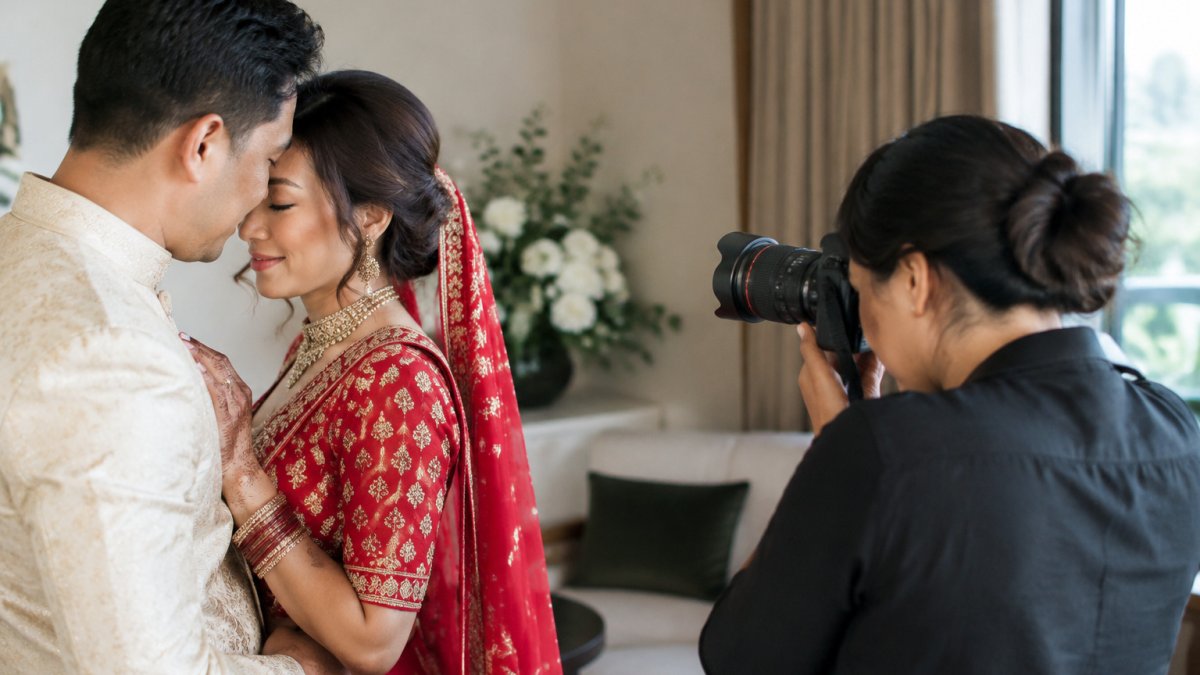
The first benefit is emotional range. A single-day edit flattens your wedding into one mood. Multi-day coverage keeps every mood intact.
Think about what happens across a typical three-day celebration. The intimate family moments of the mehndi night. The nerves before the ceremony. The relief and joy at the reception. Each one carries a different feeling, and each one deserves screen time.
Couples often find that the getting-ready footage with parents and siblings is among the most meaningful parts of their film. That footage only exists if a crew is there for it. For a deeper look at planning coverage across several events, our guide to tips for multi day wedding photography covers timelines, shot lists and lighting.
Watch out: booking one videographer for a single day and assuming they can "grab everything" is the most common regret we hear. It never works.
Benefit 2: Capturing Cultural Nuances and Ceremony Rituals in Full
Cultural knowledge is not a nice extra. It is the difference between a film that understands your wedding and one that merely films it.
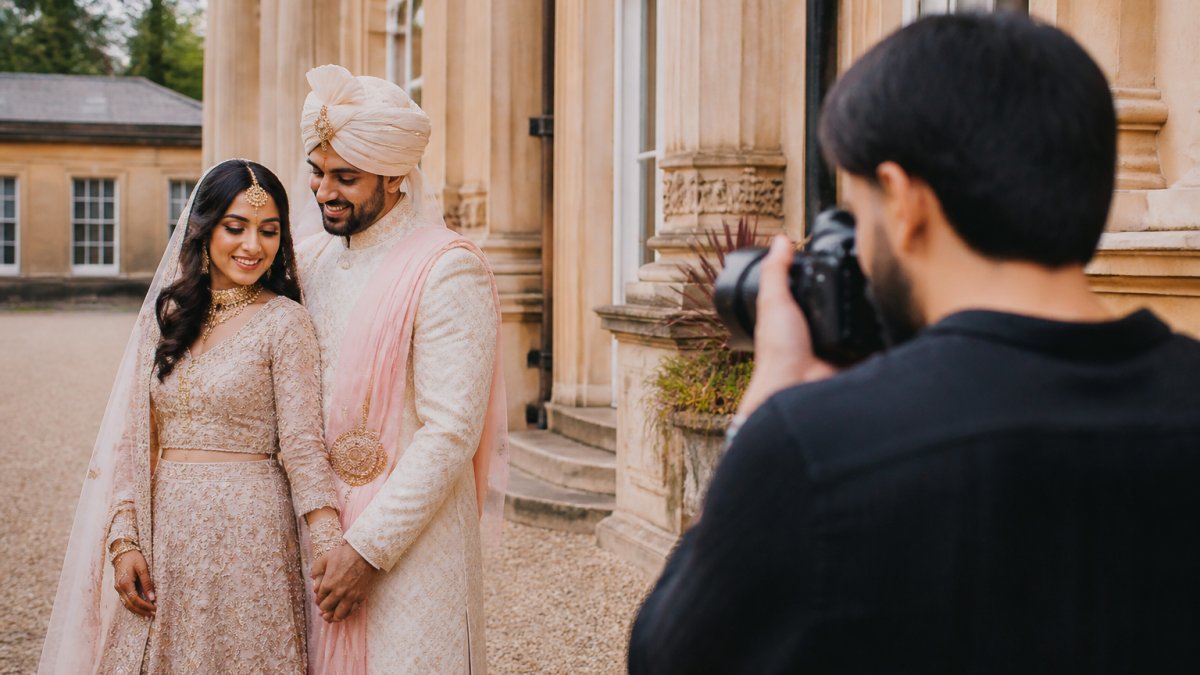
A videographer who understands an Anand Karaj knows what to look for during the ceremony. A crew experienced in these traditions knows the key moments to anticipate and how to respect the sensitive parts, like the quiet of the women's getting-ready space.
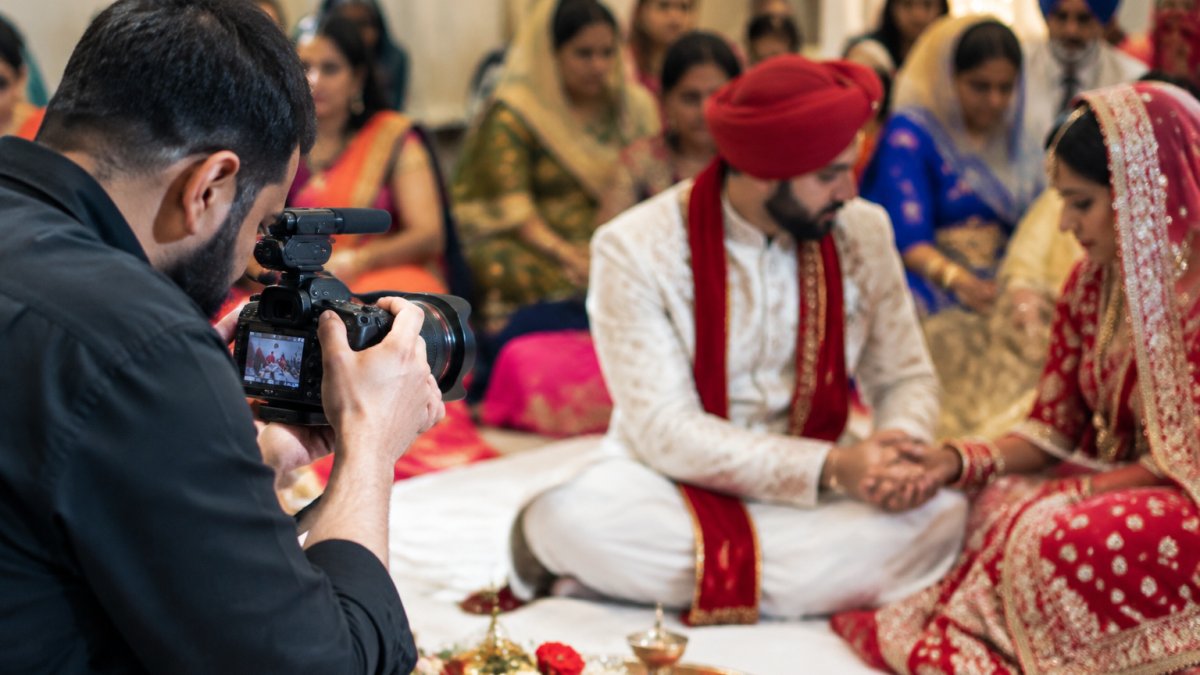
This is where ceremony rituals, cultural nuances and traditional attire all come together. The result is a visual narrative that treats your traditions with the weight they deserve.
Benefit 3: Preserving Vows, Audio and the Sound of Celebration
Audio is the most overlooked part of wedding video. It is also the part people cry over.
Clean vows, the blessing, the speeches, the drumming, the laughter of guest reactions: these are the sounds that bring a film back to life. Poor audio clarity ruins a beautiful picture. Great sound design makes a wedding keepsake you will watch again and again.
For multi-day events, audio capture needs planning, since each venue and ritual has its own sound.
Benefit 4: A Cohesive Cinematic Indian Wedding Film Highlights Reel
A highlights reel is the film you will actually rewatch. Most couples do not sit through five hours of raw footage. They watch the ten-minute cut, and they watch it often. But when your wedding spans three or more days, that ten-minute film has to do something a single-day edit never does: it must compress dozens of hours of footage from multiple venues, outfits and rituals into one coherent story without losing the emotional thread.
Post-production workflow matters on multi-day weddings. A multi-day edit involves sorting and syncing footage from each event separately, logging the key audio from each ritual, and building a story arc that moves logically from the mehndi through to the reception. This intricate post-production process becomes significantly more manageable when you properly organise a wedding schedule to ensure that every ceremonial highlight is captured with the necessary context.
Good cinematic storytelling stitches your events into one arc. The mehndi sets the tone, the ceremony builds, and the reception closes the story. But the mechanism matters: the editor needs a clear shot list and audio log from each day, otherwise the highlight film becomes a disjointed montage rather than a narrative.
If you want a same-day edit for your reception, our guide to same-day edit steps for Indian weddings explains timing, video length and music choices. Ask your videographer how they plan the highlight film before you book, and how they allocate editing time for a multi-day schedule.
Watch out: a provider who cannot explain their post-production steps for a multi-day edit will likely deliver late or miss the story arc entirely.
Benefit 5: Asian Wedding Videography Drone Footage That Tells the Whole Story
Drone footage can add scale that ground cameras cannot reach, but on a multi-day schedule it depends on each venue's conditions. Each venue brings its own constraints: flight permissions, airspace restrictions, weather and the practical reality of filming a moving procession without disrupting guests.
Drone footage on a multi-day wedding is planned per venue, with flight restrictions and indoor or outdoor conditions checked in advance. For indoor ceremonies, drone use may be impossible or inappropriate.
Professional equipment matters for the final film's quality. Drone work also requires a qualified pilot and appropriate insurance, which should be clear in any quote. If drone footage is included, ask whether the pilot is insured and whether the fee covers multiple days or just one event.
A once-in-a-lifetime event gets a record you can pass down. On a multi-day wedding, consistency matters: the same crew and storytelling approach across every event helps the final film feel like one wedding rather than several separate videos.
Watch out: a provider who offers drone footage without checking flight restrictions or insurance is likely cutting corners that could leave you without the shots you paid for.
How to Choose an Asian Wedding Videographer for a Multi-Day Schedule
Start with one question: can they genuinely handle a multi-day full-day timeline across different venues? If the answer is vague, keep looking.
Here is the checklist we would use if we were booking for our own family:
- Ask them to walk you through a full multi-day wedding they filmed
- Confirm camera operators and backup equipment for each event
- Ask how they handle sensitive moments and getting-ready spaces
- Request their post-production workflow and delivery timeline
- Ask how they plan audio capture at each venue
- Check whether drone footage is included or costs extra
- Get the backup plan in writing for illness or equipment failure
For a fuller set of interview questions and portfolio tips, see our guide on how to choose an Asian wedding videographer.
| Decision | Best option | Why it matters |
|---|---|---|
| One day vs. multi-day | Multi-day coverage | Captures every ritual and mood |
| Highlight film vs. documentary edit | Both, if budget allows | Short film to rewatch, long edit for the archive |
| Ground cameras only vs. drone included | Drone included | Shows scale and venue beauty |
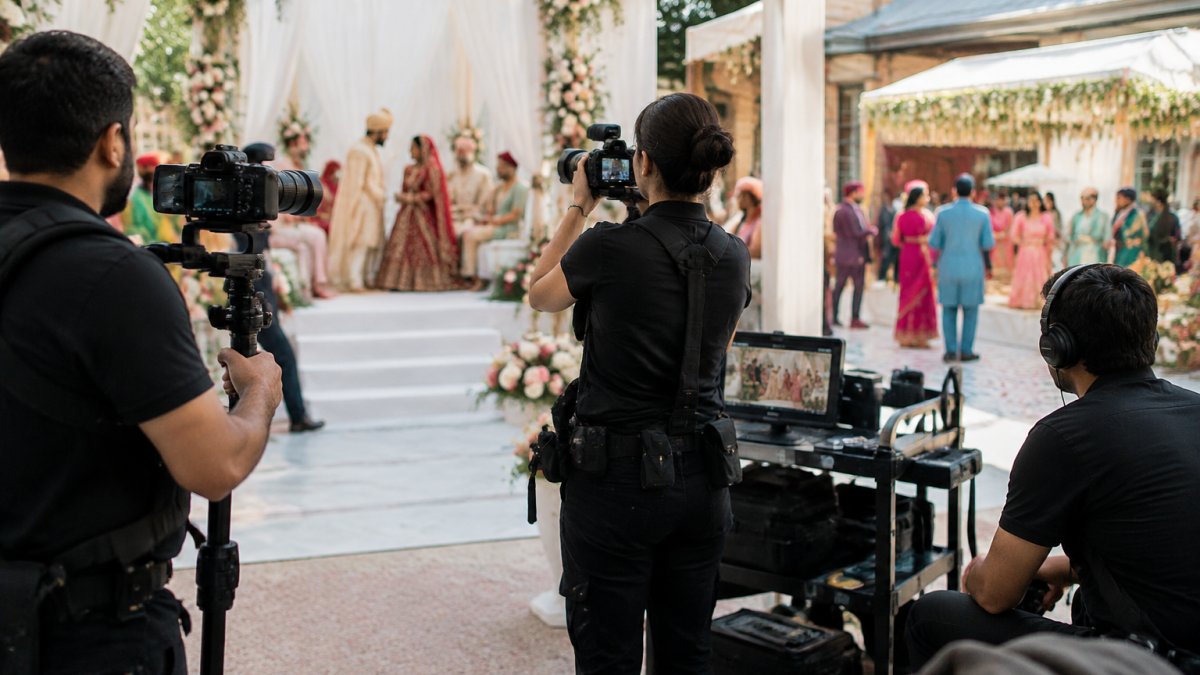
| Single operator vs. full crew | Full crew | No missed moments across venues |
Watch out: a provider who cannot name their post-production steps for a multi-day edit will likely deliver late or miss the story arc.
Enquire About Multi-Day Coverage for Your Wedding
Here is the challenge: your wedding will happen once, and the film is the only version you get to keep. Choose a crew that understands the rituals, plans the audio, and edits with care.
Khush Studio has been established since 2002, with over 20 years of experience documenting Indian, Sikh and Muslim weddings. The team offers tailored packages and a discreet approach that puts families at ease.
Get started with Khush Studio and claim your free consultation to plan coverage for every event.
Frequently Asked Questions
What is included in multi-day Asian wedding videography?
Multi-day coverage generally spans the events in the schedule, from the Mehndi and Sangeet through to the ceremony and reception. Ask for a written breakdown of days, hours, crew size and delivery timelines before you book, because packages vary widely between providers.
How does multi-day coverage differ from single-day wedding videography?
A single-day booking films one event, usually the ceremony and reception. Multi-day wedding videography follows the full-day timeline across several dates and venues, which means more crew, more equipment and a longer post-production process. The payoff is a fuller visual narrative that covers more of the day's moments across events.
Does multi-day videography include drone footage for all events?
Not automatically. Drone footage depends on the venue, weather and local flight restrictions, and many indoor or listed venues cannot accommodate it. Discuss Asian wedding videography drone footage with your provider early and ask which events they plan to fly at. Ask your provider how they handle permissions and what alternatives they offer if flying is not possible on the day.
How do I choose an Asian wedding videographer I can trust?
Look for a team with experience in your specific traditions. Ask how they handle multi-venue schedules, request full-length sample films rather than short clips, and ask about their backup equipment and insurance. A studio with over 20 years of experience is a useful starting point.