 How-to
Planning Photography for Multi Day Weddings: A Complete Guide
Last Updated: November 8, 2026
Quick Summary
Planning photography for a multi day wedding means treating each event as its own story with separate coverage hours, a dedicated shot list and a backup plan. Build a timeline backwards from each ceremony start time, add 30 to 45 minutes of buffer per event, and brief your photographer on the rituals and people that matter most.
- A timeline buffer of 30 to 45 minutes per event is insurance, not wasted time.
- Match coverage hours to the emotional weight of each event, not its length.
- Keep your wedding photographer brief to two pages, because anything longer gets skimmed.
- Keep one lead photographer across all days so the style stays consistent.
- Prioritise rituals that cannot be repeated and family members travelling furthest.
Table of Contents
- Why Multi-Day Wedding Photography Needs a Plan Before the First Event
- Building Your Multi-Day Wedding Photography Timeline
- Choosing Wedding Photography Coverage Hours for Each Event
- Creating a Wedding Photography Shot List That Covers Every Ritual
- How to Write a Wedding Photographer Brief That Protects Key Moments
- Coverage Logistics Across Venues, Days and Photographer Teams
- Budgeting and Package Structure for Multi-Day Coverage
- Prioritising Coverage When Not Every Event Can Be Photographed
- Frequently Asked Questions
Why Multi-Day Wedding Photography Needs a Plan Before the First Event
Planning photography for multi day weddings starts long before the first mehndi night. A multi day wedding is a celebration spread across several events, venues and days, and each one carries moments that cannot be repeated. Miss a father's blessing during the milni, and no reshoot exists. That is why the plan comes first.
Couples who plan coverage event by event tend to end up with albums that feel complete, while couples who leave it loose often spend the reception worrying about what was missed.
Below, we show you exactly how to build that plan, from timelines to shot lists to budgets.
The core argument here is simple. A multi day wedding is not one long day. It is three or four separate stories, and each one needs its own coverage hours, its own shot list and its own backup plan. Treat it as a single day and something always falls through.
Building Your Multi-Day Wedding Photography Timeline
A multi-day wedding photography timeline maps every event against coverage hours, travel time and rest gaps. Build it backwards from the ceremony start times, then add buffer around each transition. A timeline buffer of 30 to 45 minutes per event is not wasted time; it is insurance.
Here is how we would build one:
- List every event with its date, venue and start time.
- Confirm the key ritual moments with both families.
- Assign coverage hours to each event.
- Add travel time between venues.
- Build in rest gaps for the team.

A Sample Three-Day Photography Schedule
Most three-day celebrations follow a similar shape. Here is a sample schedule you can adapt, with realistic buffers built in:
| Day | Event | Coverage Hours | Sample Timings | Priorities |
|---|---|---|---|---|
| Day 1 | Mehndi and Sangeet | 5-6 hours | 14:00-20:00 (includes 45-min buffer before sangeet) | Getting ready, henna details, dancing |
| Day 2 | Ceremony and reception | 10-12 hours | 09:00-21:00 (30-min buffer after ceremony, 45-min travel window) | Rituals, portraits, speeches |
| Day 3 | Walima or post-wedding event | 5-6 hours | 16:00-22:00 (30-min buffer before arrivals) | Family portraits, guest candids |
Coverage Hours
This table is a starting point, not a fixed rule. The key is to assign coverage hours to the emotional weight of each event, then add travel and rest gaps so the team is not sprinting between venues. For a fuller breakdown of coverage across three days, read our guide to three day Asian wedding videography coverage.
Watch out: if you build the timeline around the ceremony start time alone, you will miss the getting-ready moments that often carry the most emotion. Always work backwards from the first ritual, not the first guest arrival.
Choosing Wedding Photography Coverage Hours for Each Event
Wedding photography coverage hours should match the emotional weight of each event, not its length. A two-hour ceremony may deserve six hours of coverage; a long reception may need only four.
Three coverage types cover most multi day weddings:
- Full-day coverage: eight to twelve hours, best for the main ceremony and reception day
- Half-day coverage: four to six hours, ideal for mehndi, sangeet or walima
- Event-specific coverage: two to three hours, useful for smaller gatherings or a day-after shoot
The mistake we see most often is booking full-day coverage for every event. It drains the budget and tires the team before the day that matters most. Match hours to moments instead.
Creating a Wedding Photography Shot List That Covers Every Ritual
A wedding photography shot list is a written record of the must-have photographs, organised by event and by ritual. Build it with both families, not just the couple. The best lists include the people, the moments and the details that carry meaning.
Group your shot list into four buckets:
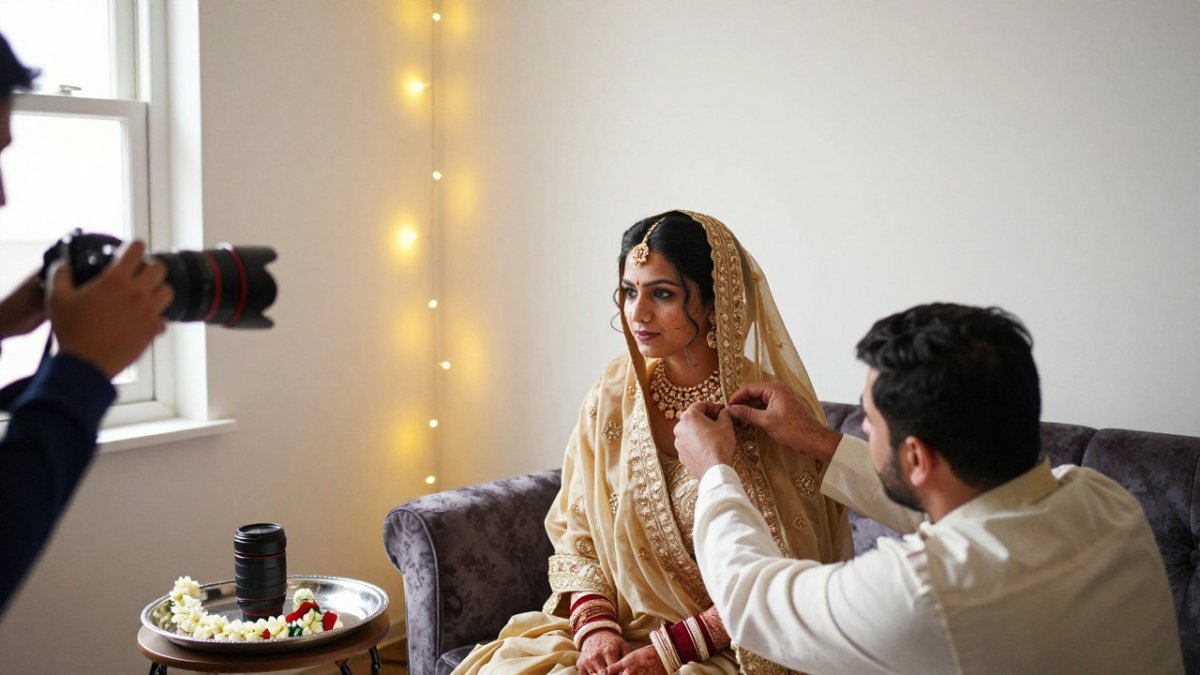
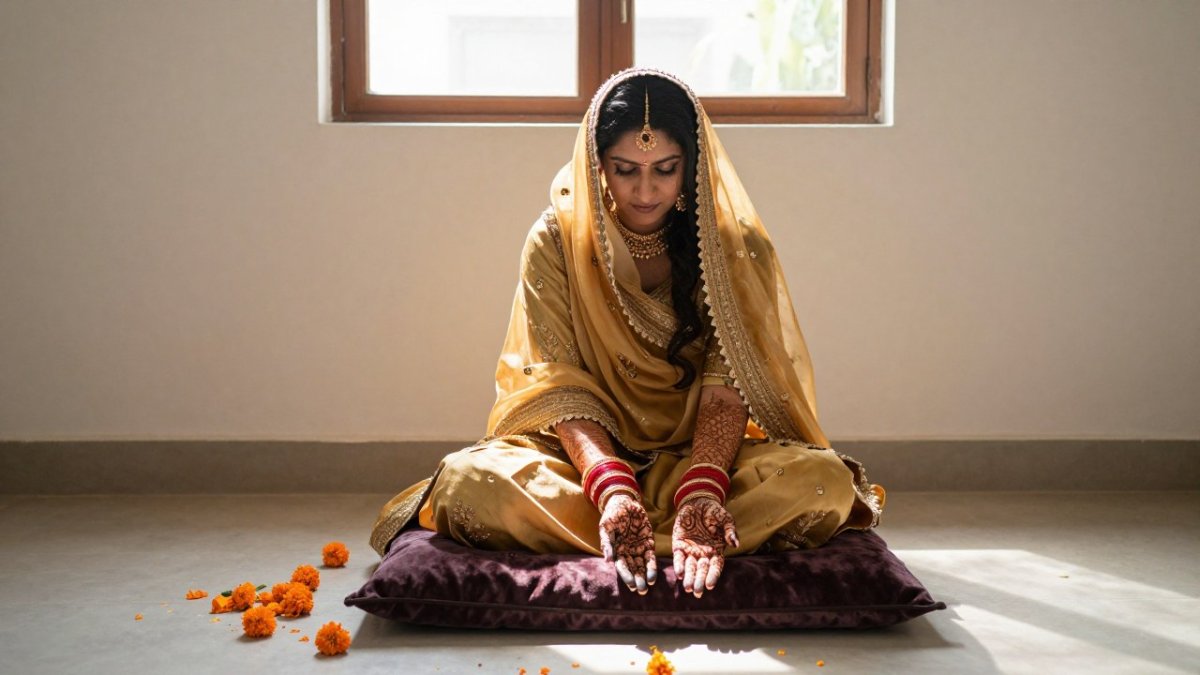
- Getting ready and morning preparations: henna application, jewellery, outfit details
- Detail photographs: flat lay of shoes, invitations, flowers and heirlooms
- Ceremony and traditions: every ritual step, from the milni to the Anand Karaj
- Reception and late-night moments: speeches, dancing, and the quiet moments after
Our Indian wedding photography checklist covers rituals, family photos and multi-day timelines.
Getting-Ready, Ceremony and Reception Priorities
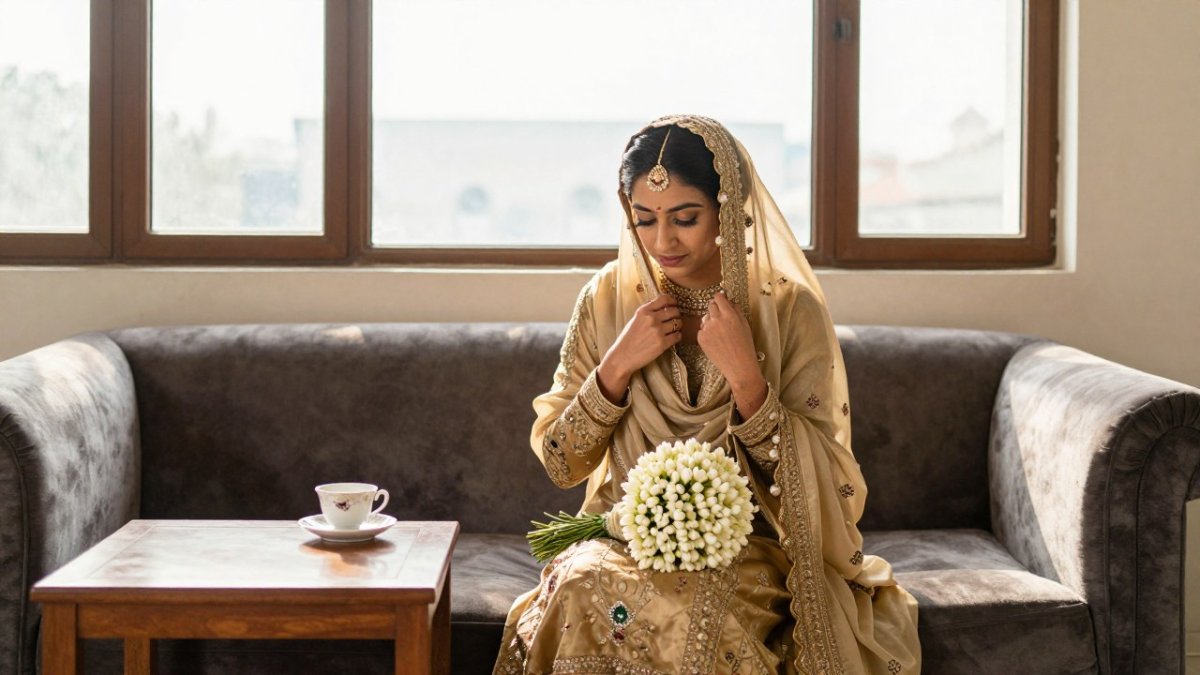
Morning preparations set the tone for the whole album. Natural light is your friend here; ask your photographer to work near windows during getting ready.
Ceremony coverage needs someone who knows the order of rituals.
Reception priorities shift to people: family portraits, group photos, speeches and dancing. Formal photographs should be done early, before guests relax and scatter.
How to Write a Wedding Photographer Brief That Protects Key Moments
A wedding photographer brief is a short document that tells your photographer what matters most, who matters most and where the risks are. Keep it to two pages. Anything longer gets skimmed.
Include these five things:
- A one-line summary of each event and its emotional priority
- Names and relationships of key family members
- A list of rituals with their expected timing
- Any sensitive situations, such as private getting-ready moments
- Venue notes, including lighting conditions and access restrictions
For a worked example of how to brief a photographer with a timeline, shot list and lighting plan, see our guide on planning Sikh wedding reception photography.
Watch out: a brief that lists only the couple's priorities will miss the grandparents, the aunties and the family friends who matter just as much. Ask both families to add names before you send it.
Coverage Logistics Across Venues, Days and Photographer Teams
Coverage logistics decide whether a multi day wedding runs smoothly. Travel time between venues, parking, access windows and team handovers all need to sit in the plan, not in someone's head.
A few rules we follow:
- Scout every venue in advance. Know the light, the exits and the best portrait spots.
- Build in travel time with a margin. Traffic and ceremony overruns are normal.
- Plan team handovers. If one photographer covers the mehndi and another covers the ceremony, brief both on the shot list.
- Keep one lead photographer across all days. Continuity of style matters more than headcount.
On staffing, you do not need a different team for every event. A consistent lead photographer with a second shooter on the biggest day is usually enough.
Budgeting and Package Structure for Multi-Day Coverage
Budgeting for multi-day coverage works best when you price each event separately, then bundle. Ask for a per-event breakdown so you can see where the money goes. A multi-day photography package may include:
- Coverage hours per event
- Number of photographers per day
- Edited image count and delivery timeline
- Videography add-ons
- Travel and accommodation costs for out-of-area venues
Pricing depends on the number of events, dates and deliverables, so please ask Khush Studio for a tailored quote via their website. Packages should flex to your schedule, not the other way around.
What Drives the Quote
The final quote is shaped by several variables, including the number of events, the total coverage hours, the number of photographers per day, travel and accommodation for out-of-area venues, and the delivery timeline. Ask Khush Studio for a line-by-line breakdown of how these apply to your schedule.
A quote that bundles everything into one figure can make it harder to compare packages, so ask for a line-by-line breakdown before you commit.
Prioritising Coverage When Not Every Event Can Be Photographed
Not every event needs equal coverage. When the budget or the schedule forces a choice, prioritise by irreplaceability.
Ask three questions:
- Which rituals cannot be repeated?
- Which family members are travelling furthest?
- Which moments would you regret missing in ten years?
The answers usually point to the ceremony and the family portraits. Smaller gatherings can often be covered by a half-day booking or by guests' own photographs.
Once you know your priorities, a tailored package is the next step. Get in touch with our team to talk through your schedule.
For more practical planning tips across every event, our guide on multi day wedding photography tips goes deeper into coverage hours, timelines and lighting.
A multi day wedding asks a lot of your photography plan, and the couples who get it right are the ones who plan event by event. Khush Studio brings over 20 years of experience with Indian, Sikh and Muslim weddings, a discreet approach that respects sensitive moments, and tailored packages built around your schedule. Get started with Khush Studio and capture every ritual with the care it deserves.
Frequently Asked Questions
How many hours of photography coverage do you need for a multi day wedding?
Most three-day celebrations need 8 to 12 hours of coverage on the main wedding day and 4 to 6 hours for smaller events such as the mehndi or walima. Wedding photography coverage hours should be agreed per event rather than as one total, because getting-ready preparations, ceremony rituals and evening receptions each need their own window. Build in a timeline buffer of 30 to 45 minutes per event for late starts, and confirm the split in writing with your photographer before signing the contract.
Should you book the same photographer for every day of a multi day wedding?
Booking the same team across all days gives you consistent editing, one point of contact and a photographer who already knows your family by the time the ceremony arrives. For larger events, some studios send an additional photographer to cover getting-ready preparations in a separate location. Ask Khush Studio directly whether this applies to your wedding. Ask directly who will attend each day and whether the named lead will be present for the ceremony, since continuity matters most on the day with the most rituals.
What should a wedding photographer brief include for a multi day wedding?
A wedding photographer brief should list every event with its venue, start time and approximate guest count, name the rituals that must not be missed, identify key family members for group photos and flag any sensitive situations such as photography restrictions during the Nikah. Add a wedding photography shot list, contact details for the planner or venue coordinator, and travel time between locations. Send it at least two weeks before the first event and walk through it together so nothing is left to assumption.
How do you coordinate photography across multiple wedding events and venues?
Assign one family member or planner as the photography contact for each day, and share a single shared document with the schedule, shot list and venue addresses. Confirm travel time between locations and check whether each venue allows photography in specific areas, particularly prayer halls. Where events run back to back, agree in advance which moments take priority if timings slip. A short call with your photographer a week before the first event resolves most coordination problems before they happen.