 How-to
Asian Wedding Videography Shot List: A Complete Guide
Last Updated: November 12, 2026
Quick Summary
A videography shot list is a written plan of every moment you want filmed, who is responsible for it, and when it happens. Build it with three columns, the shot, the time, and the person responsible, and keep it to one page so it is actually used on the day.
- Rank each shot as must-have, nice-to-have or bonus so the list shows what to protect first.
- For the Anand Karaj, name an owner against every line, from milni through to the doli.
- Confirm in writing which moments of the Nikah may be filmed before the wedding day.
- Fit lapel microphones during preparations and add a backup recorder near the speakers for speeches.
- A three-day celebration typically runs Mehndi or Maiyan, then the ceremony, then the reception and farewell.
Table of Contents
- Why an Asian Wedding Videography Shot List Matters
- Building Your Wedding Videographer Shot List Template
- Indian Wedding Videography Moments You Cannot Miss
- Sikh Wedding Video Traditions: Anand Karaj and Beyond
- Muslim Wedding Coverage: Nikah, Walima and Family Consent
- Audio, Speeches and Performances: Planning That Saves the Film
- Multi-Day Logistics and Asian Wedding Film Length
- Enquire About Your Wedding Film Coverage
- Frequently Asked Questions
Why an Asian Wedding Videography Shot List Matters
A great Asian wedding videography shot list is the difference between a film that feels like your family's story and one that feels like a stranger's highlights reel. The weddings that move people most are the ones where nothing important was left to chance.
Here's the hard truth most couples learn too late: a videographer who doesn't know your rituals will miss them. They'll catch the party and miss the emotion.
A videography shot list is a written plan of every moment you want filmed, who is responsible for it, and when it happens. It's not a script. It's insurance.
Below, we'll show you exactly how to build one, ceremony by ceremony, so your film holds every moment that matters.
Building Your Wedding Videographer Shot List Template
Start with three columns: the shot, the time, and the person responsible. That's the whole template. Everything else is detail.
Many couples hand over a vague list of "important moments" and hope for the best. That's where things can fall apart. A usable wedding videographer shot list template needs names attached, not just ideas.
Build yours like this:
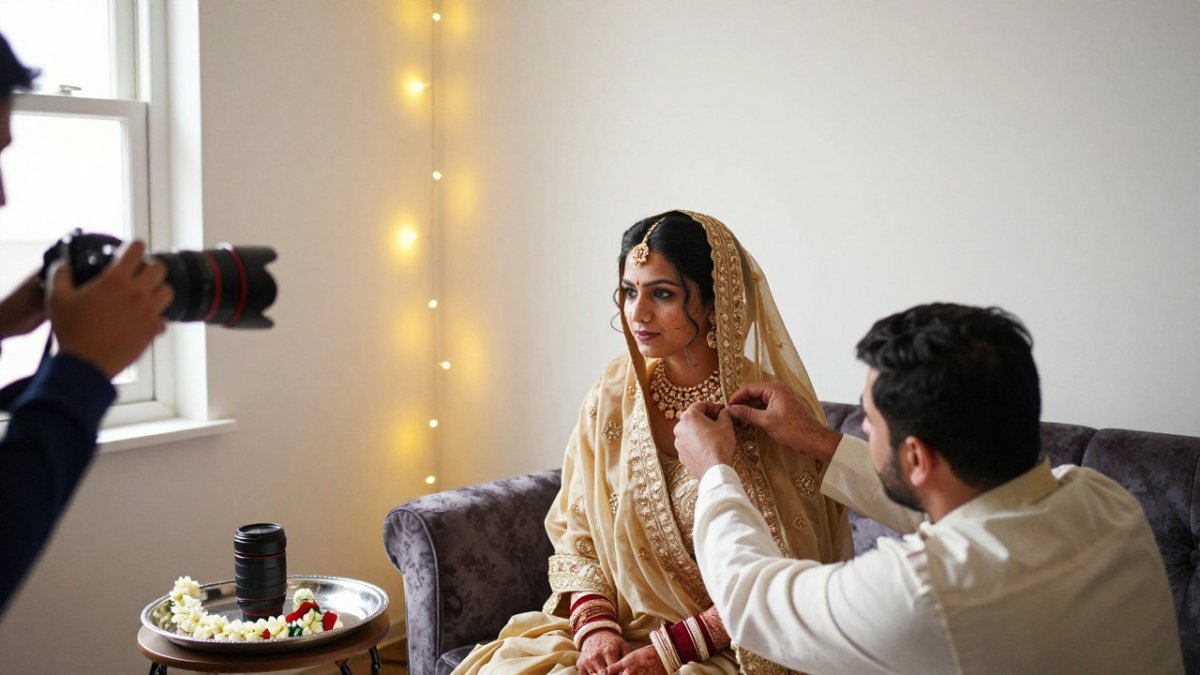
- Shot: "Bride's mother adjusting the dupatta"
- Time: 09:15, during pre-ceremony preparations
- Owner: Videographer, briefed by the bride's sister
Keep the list to one page. Anything longer gets ignored on the day.
Priority, Timing and Who Owns Each Shot
Not every shot carries the same weight. Rank each one as must-have, nice-to-have, or bonus. Then assign an owner.
| Priority | Example Shot | Timing | Owner |
|---|---|---|---|
| Must-have | Vows or Laavan | Ceremony | Lead videographer |
| Must-have | Family reactions | Throughout | Second shooter |
| Nice-to-have | Venue establishing shots | Arrival | Videographer |
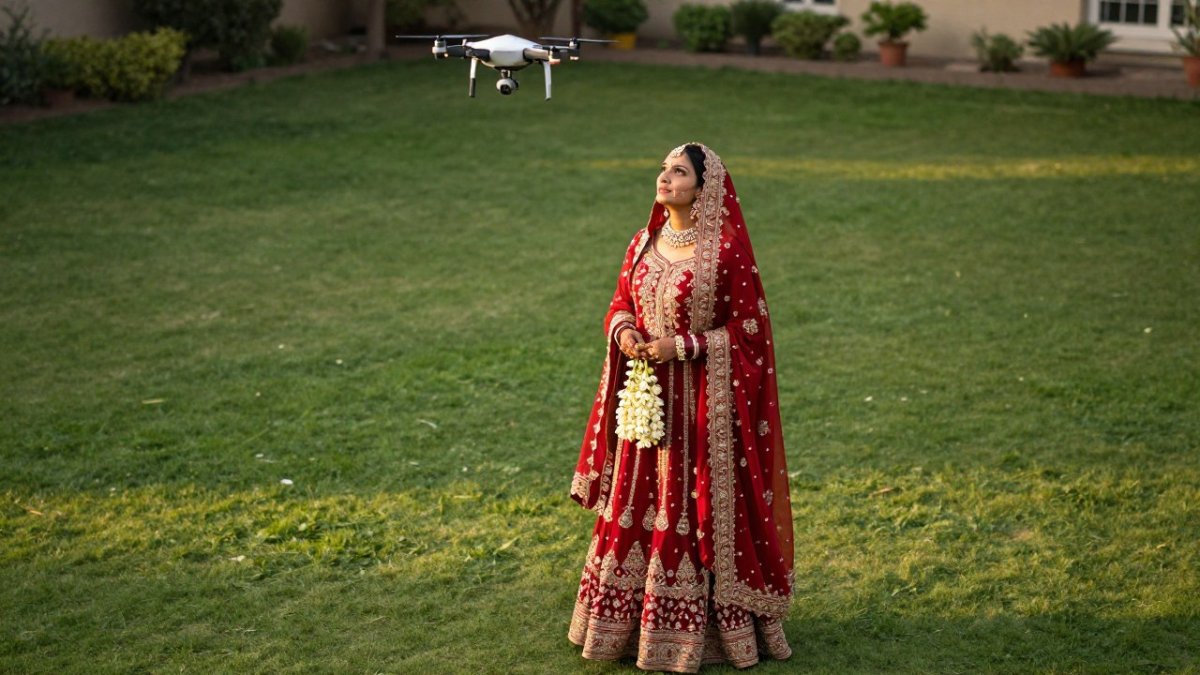
| Bonus | Drone footage | Golden hour | Drone operator |
A common mistake is giving every shot equal billing. When time runs short, the list should tell you what to protect first.
Indian Wedding Videography Moments You Cannot Miss
Indian wedding videography moments fall into a clear rhythm: getting ready, the rituals, the celebration, and the farewell. Miss the rhythm and the film feels scattered.
Cover these in order:
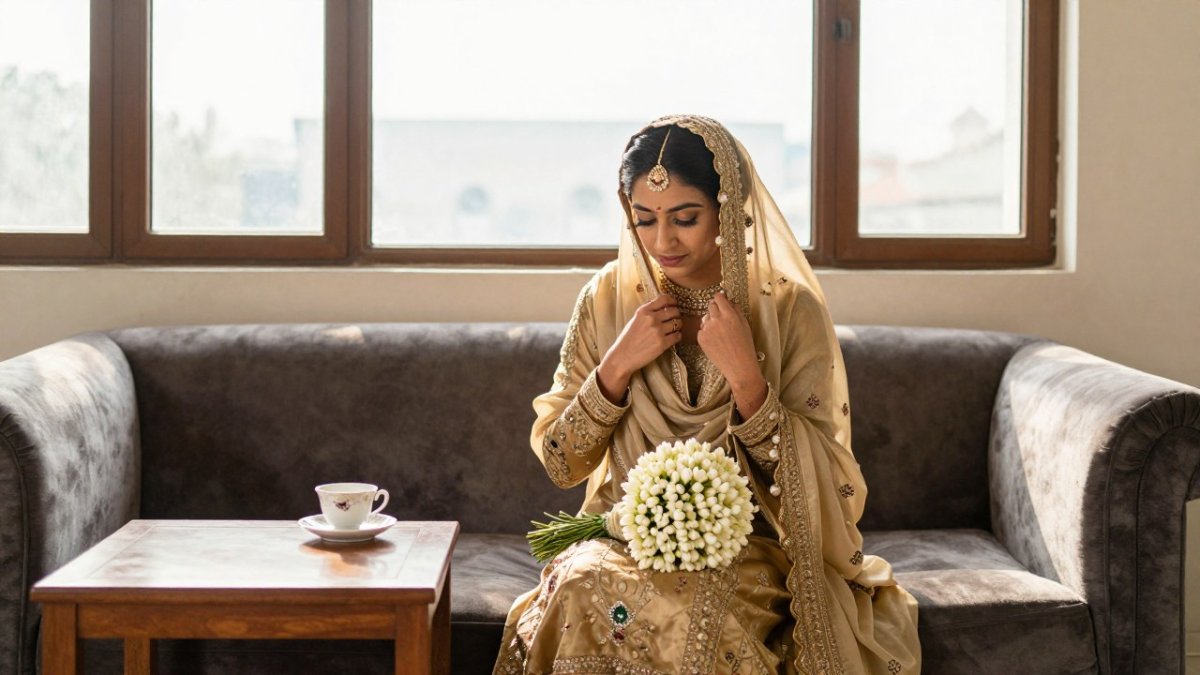
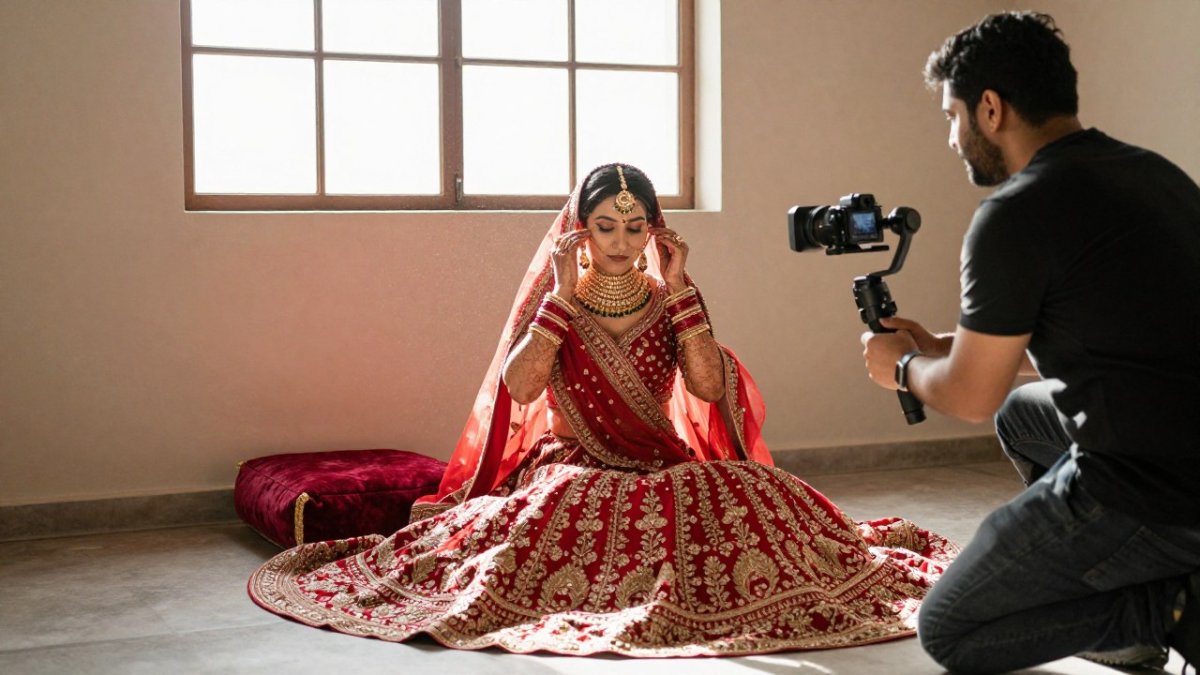
- Pre-ceremony preparations: jewellery being fastened, the bride's first look, groom attire details
- Mehndi: close-ups of the henna design, family laughter, candid moments
- Haldi or Maiyan: the paste being applied, guest reactions, emotional moments
- Sangeet or Jaggo: dhol players, performances, family dancing together
- Ceremony highlights: the main rituals, vows, and the moment of union
- Reception: entrance, cake cutting, speeches, first dance
The rituals are the heart. The party is the pulse. You need both.
Sikh Wedding Video Traditions: Anand Karaj and Beyond
Sikh wedding video traditions centre on the Anand Karaj, and the four Laavan are the moments to protect above all else. Each circuit carries meaning, so the videographer must know the order before the day begins, not learn it from the side-lines.
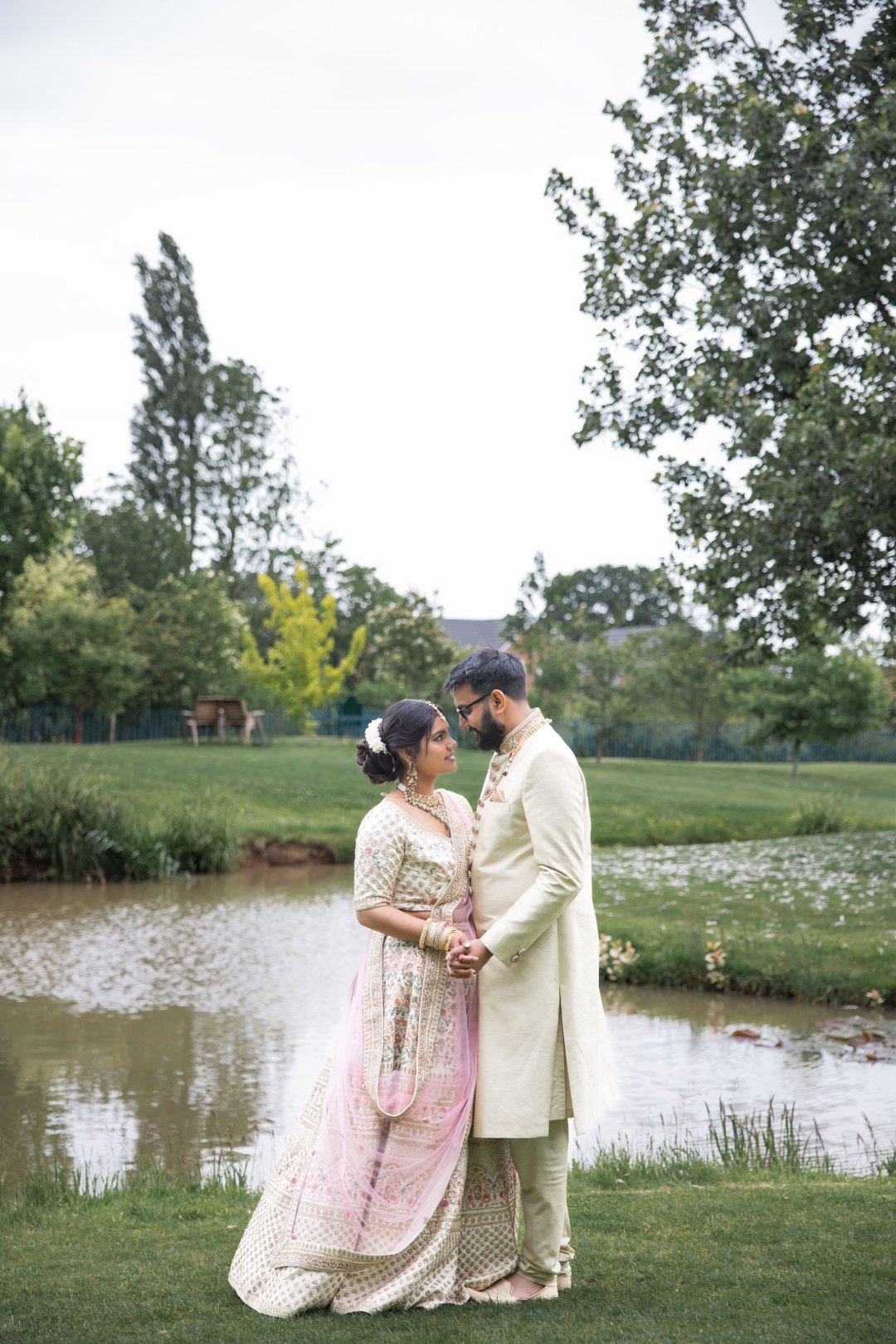
A workable Anand Karaj shot list runs in this order, with the responsible person named against each line:
- Milni: the groom's arrival and the families greeting one another. Film the embraces and the dhol, not just the handshake. Owner: second shooter, positioned at the entrance.
- Bride's entrance: the walk in, the family escorting her, and the first exchange of glances with the groom. Owner: lead videographer, front-of-aisle but off the central path.
- Seating and the Guru Granth Sahib: a respectful wide shot establishing the couple before the Guru Granth Sahib, then a slow push-in. No camera should ever be placed above or in front of the Guru Granth Sahib.
- The four Laavan: each circuit filmed in sequence, with a clear wide of the couple circling and a tighter shot of the bride's father or family member assisting where that is the family's custom. Owner: lead videographer; second shooter captures family reactions from the side.
- Kirtan and prayer: ambient audio only unless the family has arranged a direct feed from the sound desk. Owner: audio recordist.
- Final blessing and karah prasad: the couple's bow, the distribution of prasad, and the departure. Owner: second shooter.
- Doli or farewell: the couple's exit and the family's emotional send-off. Owner: lead videographer, outside the venue for the departure.
Cultural sensitivity matters here. No camera should ever block the path of the Laavan or distract from prayer, and shoes-off areas, head covering and where the crew may stand should all be confirmed with the gurdwara before the day. It helps to visit the venue in advance with the coordinator and walk the exact camera positions.
A common pattern is that the Laavan are filmed beautifully but the milni and doli are rushed, because the crew treated the ceremony as the only event. Build the full day into the list, not just the middle. For a deeper look at the ceremony order and a respectful shot plan, see our guide to capturing Anand Karaj ceremony traditions.
Muslim Wedding Coverage: Nikah, Walima and Family Consent
Muslim wedding coverage works best when consent comes first. Some families want full filming of the Nikah, and others want parts of the ceremony kept private. Ask before the day, not during it.
Plan your shot list around family wishes:
- Confirm in writing which moments can be filmed
- Brief guests on where cameras will be and what stays private
- Agree on how the bride is filmed, and by whom
- Cover the Walima separately, with its own shot list and timeline
Privacy isn't a barrier to a beautiful film. It's part of making one. Our guide on respecting privacy during a Nikah ceremony walks through consent rules you can hand straight to your videographer.
Audio, Speeches and Performances: Planning That Saves the Film
Bad audio ruins more wedding films than bad lighting ever will. A beautiful image with muffled vows is a heartbreak you can't edit out. This is the area most shot lists ignore entirely, and it is where a little planning pays back the most. Clear vows and well-balanced room sound matter just as much during speeches, so PolkBros can help you carry that same audio care through every toast.
Plan sound before you plan shots, and treat audio as its own checklist with owners and timings:
- Lapel microphones for the couple and the officiant. Fit them during preparations, not at the ceremony door, and tape the cable so it does not show under the dupatta or sherwani. Owner: audio recordist, 30 minutes before the ceremony.
- A backup recorder near the speakers for speeches. Do not rely on the venue's PA feed alone; place an independent recorder at the top table or by the podium. Owner: second shooter.
- A rehearsal test of every microphone. Test levels in the actual room, with the actual sound desk, at the actual ceremony time. Owner: audio recordist and venue technician together.
- A direct audio feed for performances. Sangeet and Jaggo sets, dhol players and live singers all need a line from the mixing desk where the venue allows it. Owner: audio recordist, confirmed with the band in advance.
- Ambient coverage for rituals. Haldi, Maiyan and Mehndi are often quiet, intimate moments; a shotgun mic on the camera plus a discreet room mic captures the family laughter that a lapel would miss. Owner: second shooter.
Consent and permissions belong on the same list. Confirm in writing which parts of the Nikah, the Anand Karaj or any private family ritual may be recorded, and brief guests on where cameras will be. Music is a separate permission: many venues hold licences that cover live performance but not the recording and reuse of commercial tracks, so agree with the couple and the venue which music can appear in the final edit before the day. Our guide on respecting privacy during a Nikah ceremony walks through consent rules you can hand straight to your videographer.
Watch out: never rely on a single microphone at a multi-day wedding. Batteries fail, cables get pulled and there is no second take, a backup recorder and spare lapels are worth planning for.
Speeches and performances carry the emotion of the day. If you're thinking about how they become part of the final film, our breakdown of same-day edit steps for Indian weddings explains timing and music choices.
Multi-Day Logistics and Asian Wedding Film Length
Asian wedding film length often runs longer than a single-day wedding, because there is more to tell. A three-day celebration needs a schedule that keeps the crew fresh and the coverage consistent.
Typical structure:
- Day one: Mehndi or Maiyan, with close-ups and candid moments
- Day two: ceremony coverage, the longest and most demanding day
- Day three: reception, speeches, and the farewell
Crew size and coverage hours should match each event. A large Sangeet needs more hands than an intimate Haldi. For a full breakdown of packages, hours and costs, see our guide to three day Asian wedding videography coverage.
Enquire About Your Wedding Film Coverage
The best shot list in the world still needs the right team behind the camera. That's where we come in.
Khush Studio has over 20 years of experience documenting Indian, Sikh and Muslim weddings, with a discreet approach that puts families at ease. Tailored packages can be built around your multi-day schedule. If you're weighing up who to hire, our advice on how to choose an Asian wedding videographer covers the questions worth asking before you commit.
Get started with Khush Studio and turn your celebration into a film your family will watch for generations.
Frequently Asked Questions
What should be included in an Asian wedding videography shot list?
A strong shot list covers every stage of the celebration, not just the ceremony. Include pre-ceremony preparations such as jewellery and bridal attire, Mehndi and Maiyan details, Sangeet or Jaggo performances, the ceremony itself with vows and rituals, family and guest reactions, and reception coverage including speeches and cake cutting. Add venue establishing shots and drone footage where permitted. Each entry should note priority, timing and who is responsible, so nothing depends on memory on the day.
How long should an Asian wedding film be?
Film length varies with the number of events covered. Discuss your Asian wedding film length with your videographer before booking. Discuss your Asian wedding film length with your videographer before booking, and ask how many events the package covers, since a three-day schedule changes the edit considerably.
Should we give our videographer a shot list?
Yes, but treat it as a shared reference rather than a script. A wedding videographer shot list template helps you agree on the moments that matter most, especially Sikh wedding video traditions like the Anand Karaj or the Nikah, and ensures family members are included. Experienced teams will also capture candid moments you did not plan. Share the list at least two weeks ahead and flag any sensitive moments, such as bridal preparation, where privacy matters.
How do you handle audio for rituals and speeches?
Plan audio before the day. Ask how many microphones the team brings, whether the groom or officiant can be mic'd during the ceremony, and how speeches at the reception will be recorded. For Sangeet performances and dhol players, confirm whether a separate audio feed or room recording is used. Also agree on consent: some families prefer certain rituals filmed without close audio. A short conversation with your videographer and the venue covers most of this.